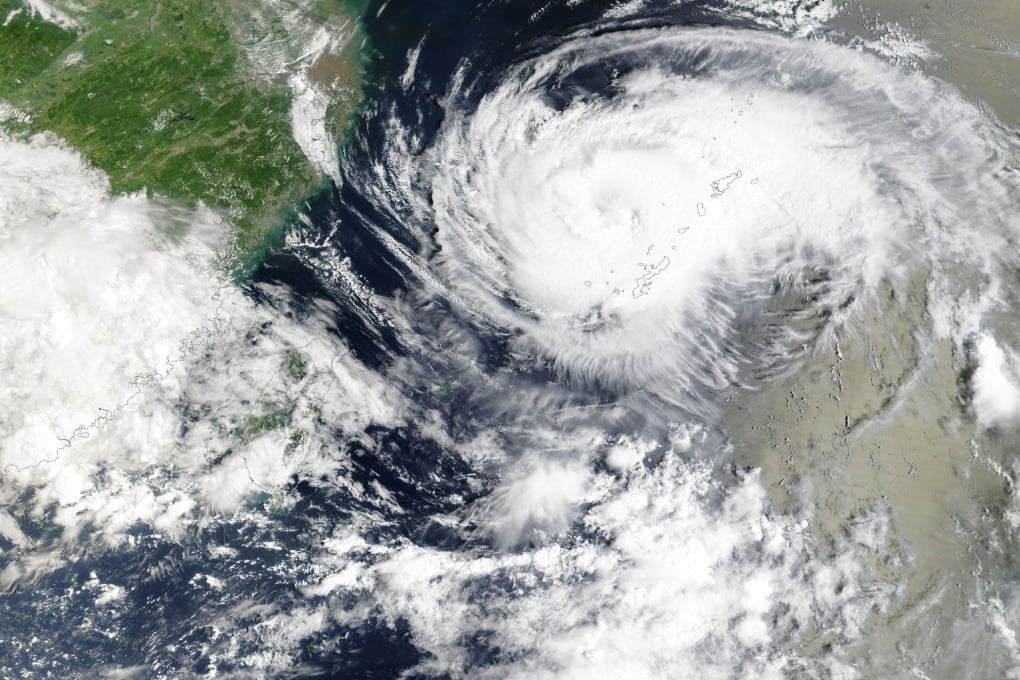
A series of typhoons across East Asia has continued to disrupt maritime operations at several major Chinese ports, triggering vessel delays, longer waiting times and schedule disruptions across regional shipping networks.
The latest disruption followed Typhoon Saudel, which affected eastern China in late August. Port operations in Shanghai and Ningbo were temporarily suspended from August 26 to 28 as authorities responded to severe weather conditions.
Although port operations resumed after the storm passed, the disruption left a significant backlog of vessels and containers that has continued to affect terminal operations and vessel schedules.
According to a report published by ICIS on September 3, 2026, waiting times at several Chinese terminals had increased significantly following the typhoon-related disruptions.
At some terminals in Shanghai, vessels were facing waiting times of approximately seven to 10 days, while waiting times at Ningbo-Zhoushan reached around 10 days.
Other major gateways were also affected. Yantian recorded waiting times of approximately three to five days, while Nansha reported waiting times of around one and a half to two days.
The figures highlight an important challenge for ocean shipping: the impact of a typhoon can extend well beyond the period of the storm itself. Once operations resume, ports must still work through accumulated vessels, containers and delayed schedules.
The disruption is also affecting vessel rotations beyond the initially impacted ports.
When a vessel is delayed at its previous port of call, the disruption can carry over to subsequent destinations, potentially affecting arrival times, transshipment connections and equipment availability.
A September 11, 2026 report by the Journal of Commerce noted that a series of typhoons had resulted in berthing delays of up to approximately two weeks at several Chinese ports, including Shanghai, Ningbo-Zhoushan and Yantian.
The report indicated that the effects of these disruptions could continue into October, as vessels work to recover from accumulated delays and adjust their schedules.
For companies moving cargo through Chinese ports, continued congestion may result in:
These disruptions can be particularly challenging for shipments tied to fixed production schedules, project deadlines or time-sensitive deliveries.
While weather disruptions cannot be controlled, their potential impact can be managed through better shipment planning.
Shippers with upcoming cargo through China may want to consider allowing additional buffer time, monitoring vessel schedules closely and ensuring that shipping documentation is completed well ahead of the planned departure.
As the effects of the recent typhoon activity continue to work through China's port network, close monitoring of operational conditions will remain important throughout September and into the weeks ahead.
Source: ICIS, Journal of Commerce and port operational updates.